Byline: Georden Jones, Founder, The Peer Review · Last updated: July 10, 2026
The Short Answer
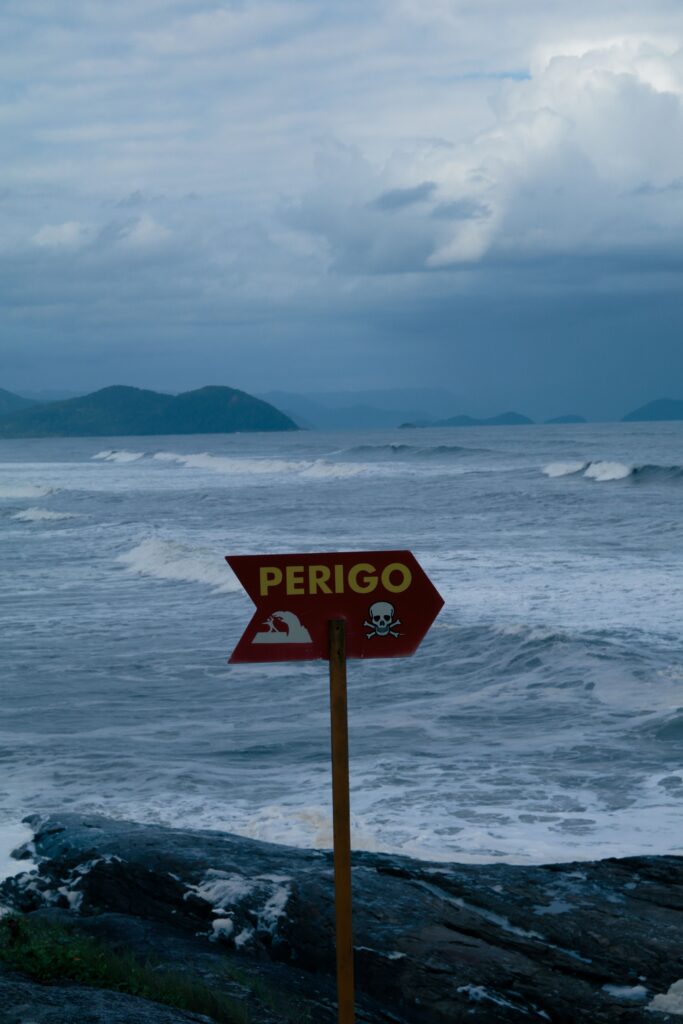
Hazard is whether something can cause harm. Risk is whether it will, given how much of it you’re exposed to, how often, and how. Almost every ingredient panic you’ve seen online (“this product contains a known skin sensitizer”) is a hazard claim being presented as a risk claim, and the two are not the same thing. Water is a hazard (you can drown in it). Sunlight is a hazard (it causes skin cancer). Neither fact tells you whether your morning glass of water or your walk to the mailbox is dangerous. This page explains the distinction, because once you see it, a huge share of “toxic ingredient” content online stops being scary and starts being just incomplete.
Table of Contents
- Two Different Questions
- The Dose Makes the Poison
- A Real Example: Comfrey
- Why This Gets Misused So Often
- How to Apply This as a Reader
- What This Doesn’t Mean
- FAQ
- The Bottom Line
Two Different Questions
Hazard asks: does this substance have the potential to cause harm, under some set of conditions? This is a fixed property. It doesn’t change based on how the substance is used.
Risk asks: given real-world exposure (the amount, the frequency, the route into the body: swallowed, absorbed through skin, inhaled), how likely is that harm to happen?
A hazard is a fact about a substance. Risk is a fact about a situation. This is the single most useful distinction in all of toxicology, and it’s almost never mentioned in viral “ingredients to avoid” content, because “this is hazardous under some conditions” is a much scarier-sounding sentence than “this is present at a concentration and exposure level that poses negligible risk,” even when both sentences can be true about the exact same ingredient.
The Dose Makes the Poison
This idea is old: it’s usually credited to a 16th-century physician who observed that literally everything is toxic at a high enough dose, and virtually nothing is toxic at a low enough one. It’s not a fringe idea; it’s one of the founding principles of toxicology, and it’s why regulators like Health Canada, the FDA, and the EU don’t just ask “is this ingredient capable of harm”: they ask “at what concentration, in what product type, does it become a problem,” and set limits accordingly.
A few examples that make this concrete:
- Water can kill you if you drink several litres in a short window (it’s happened, rarely, in extreme cases). Nobody is worried about the glass of water on your desk.
- Vitamin A is essential for health at normal doses and toxic to a developing fetus at high supplemental doses: same molecule, different risk depending entirely on amount.
- Table salt is necessary for your body to function and can be fatal in a large enough single dose.
- Sunlight is both how your body makes vitamin D and a proven cause of skin cancer, depending on how much and how often you’re exposed without protection.
None of these facts are contradictions. They’re the same underlying principle: hazard is about what’s possible, risk is about what’s likely given actual exposure.
A Real Example: Comfrey
Health Canada’s proposed 2026 update to its Cosmetic Ingredient Hotlist is a truly useful real-world case. Comfrey extract, an ingredient marketed in some “natural” balms and creams, is under review for removal from an exception that previously allowed limited use, because it naturally contains compounds called pyrrolizidine alkaloids, which are linked to liver toxicity with repeated exposure.
Notice what’s happening here: comfrey isn’t a synthetic chemical invented in a lab. It’s a plant. The hazard (liver-toxic compounds) exists regardless of the source, and the risk (how much you’re likely to absorb, how often, from a topical balm) is what regulators are re-assessing as new data comes in. “Natural” was never the relevant variable: dose and exposure were.
Why This Gets Misused So Often
Hazard-only framing shows up constantly in ingredient-fear content, and it’s a truly persuasive pattern because it’s not technically false: it’s just missing the half of the sentence that would let you evaluate it:
- “Contains formaldehyde”: technically true of many things, including some fruit, at trace levels far below anything that poses risk, because formaldehyde is a normal byproduct of certain preservative systems breaking down and occurs naturally in many foods.
- “Classified as a skin sensitizer”: often technically accurate, and often based on patch testing at concentrations far higher than anything used in a finished product, which is part of why the classification exists in the first place: to establish a safety margin, not to describe what happens at the dose you’d encounter.
- “Banned in the EU”: sometimes true and meaningful, sometimes true because of a labelling technicality or a different regulatory approach to precaution rather than new evidence of harm at used concentrations. (See our Regulators 101 guide for how different regulators differ.)
None of this means every hazard claim is exaggerated: some truly do reflect real risk at real-world exposure levels, which is exactly why the Investigate step in Our Method matters. The point isn’t “ignore hazard claims.” It’s “a hazard claim alone is an incomplete answer, not a verdict.”
How to Apply This as a Reader
When you see an ingredient flagged as dangerous, a few questions will tell you more than the headline does:
- At what concentration is it present in this product? A trace impurity and an intentionally added active ingredient are very different situations.
- How is it being used? Something inhaled as a fine spray behaves very differently in the body than the same substance applied and rinsed off, or left in a sealed container.
- How often and how much? A once-a-week use and a twice-daily use of the same product carry different cumulative exposure.
- Compared to what? Regulatory limits exist for a reason: a product formulated within an established safety margin isn’t the same situation as an unregulated, unstudied use.
You won’t always be able to answer all four on your own, and that’s fine: that’s what our reviews are for. But knowing the questions exist is enough to make most “toxic ingredient” headlines a lot less frightening on sight.
What This Doesn’t Mean
This isn’t a case for dismissing every ingredient concern as overblown. Some hazards truly do translate into meaningful risk at normal use levels: that’s exactly why ingredient safety review is an ongoing process rather than a one-time approval, and why we take regulatory updates seriously rather than shrugging them off. Understanding hazard vs. risk isn’t about assuming everything is fine. It’s about being able to tell the difference between “this deserves real caution” and “this is a scary-sounding fact with no bearing on how you’ll use the product.”
FAQ
If something is classified as a “skin sensitizer,” isn’t that automatically dangerous?
Not necessarily. Substances get classified based on their potential to trigger a reaction under some tested condition, often at concentrations far higher than what’s used in a finished product, which establishes hazard, not the level of risk at typical use. Both pieces of information matter.
Why don’t regulators just ban every ingredient with any hazard?
Because almost everything has some hazard at some dose, including water and oxygen-derived compounds your body produces naturally. Regulation is about managing risk at realistic exposure levels, not eliminating every substance with theoretical hazard.
Does “natural” mean lower hazard?
No. Comfrey is a clear example of a natural ingredient with a real, dose-dependent hazard. See our Natural vs. Man-Made guide for more on this.
How do I know if a specific product’s exposure level is safe?
That’s exactly what our reviews aim to work out for specific products, using the Investigate step of our method: checking concentration, use pattern, and regulatory data rather than relying on the ingredient name alone.
The Bottom Line
Hazard tells you what’s possible. Risk tells you what’s likely, given how something is used. Almost every viral ingredient scare skips straight from “this can be harmful under some condition” to “this product is dangerous,” without ever addressing dose or exposure, the two things that determine real-world risk. Once you start asking “how much, how often, and how” instead of just “is this on a scary list,” most ingredient panic loses its power.
Author Bio Block
Georden Jones is the founder of The Peer Review. Read the full story.